Sitting at the Table: What It Really Means for a Community Organisation to Influence a £20 Million Government Programme
There is a decision-making table somewhere in your area right now. It might be a regeneration board, a health partnership, a local authority working group, or a government-backed investment panel. Resources are being allocated. Priorities are being set. Communities are being discussed, often without anyone from those communities in the room.
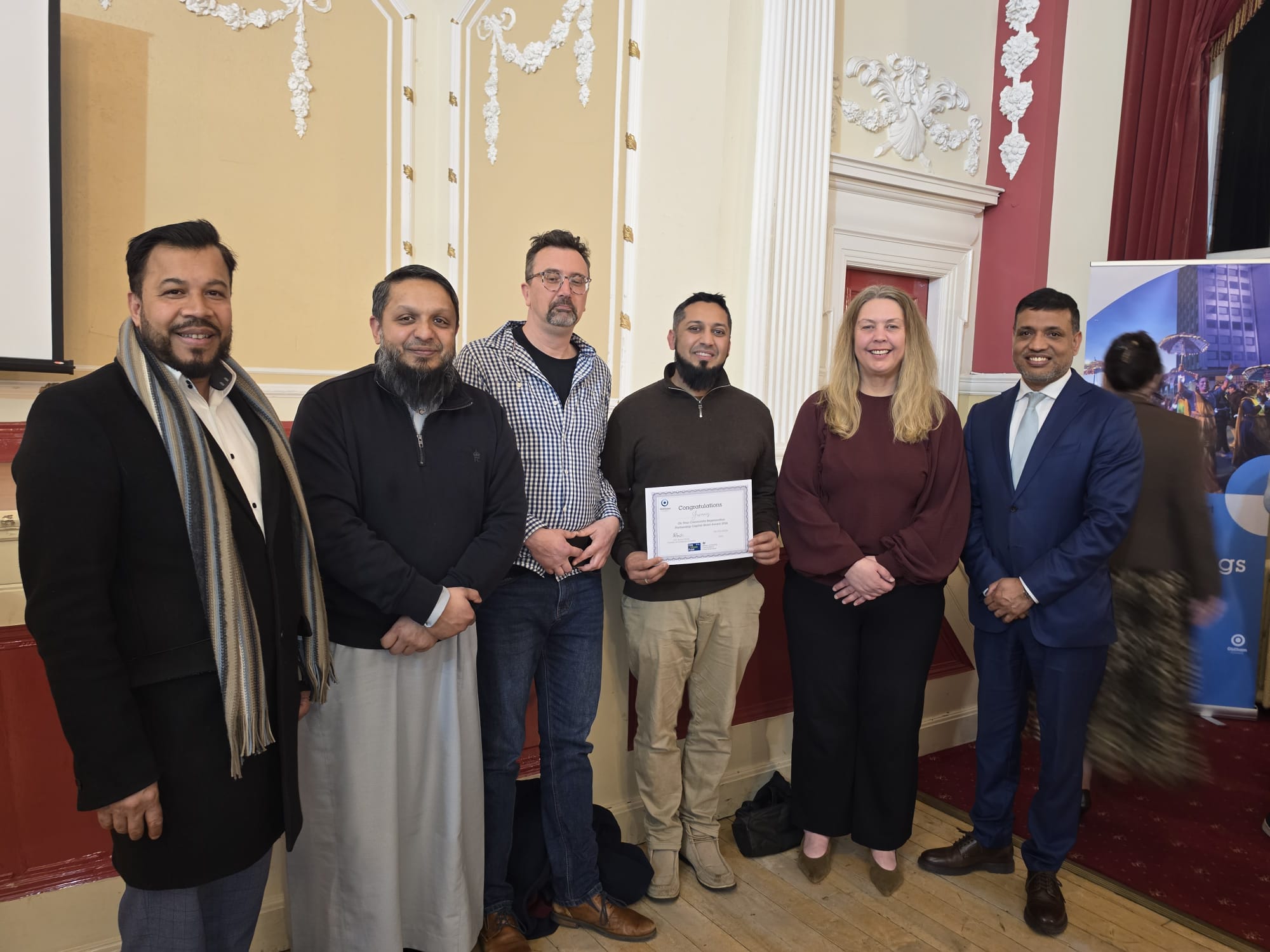
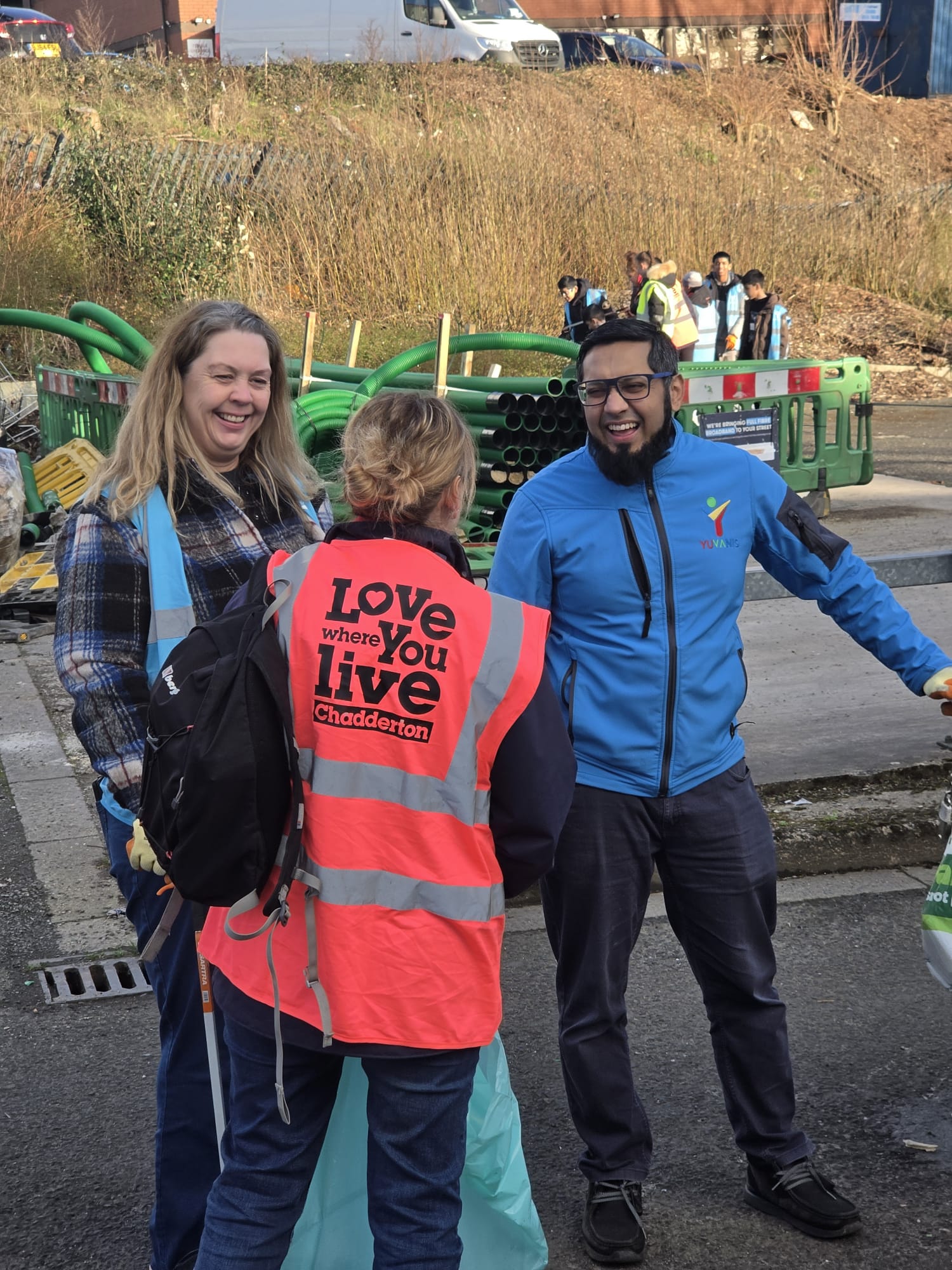
I know this because for years, Yuvanis Foundation was on the outside of those conversations. Today, I sit on the Pride in Place board for Chadderton — a central government initiative investing £20 million into the area across seven priority domains, one of which is Youth Services and Provisions. That shift, from delivering services to shaping how public money gets spent, did not happen overnight. It happened because of sixteen years of showing up.
I want to share what that journey looked like and why I think it matters for every community leader who has ever felt that the real decisions are made somewhere they have not been invited.
How You Get to the Table
I did not arrive at the Pride in Place board by applying for it, although there was an opportunity to apply during the initial phases of the programme. I was invited because the people who convene those kinds of spaces had watched our work for long enough to know that Yuvanis brought something nobody else could.
Yuvanis Foundation is the only South Asian anchor organisation in Chadderton. That is not a small thing. It means that when a government programme wants to understand how a £20 million investment should serve the young people of the area, there is exactly one organisation that has spent sixteen years building the trust, relationships, and community intelligence to answer that question properly.
But that position did not come from a strategy document. It came from consistency. From turning up to networks and meetings, even when it was inconvenient. From sitting on panels facilitated by Action Together, our local CVS, and being honest and specific about what our community needed. From making sure that when development workers and decision-makers looked around the room, Yuvanis was always there.
Laura Windsor-Welsh, who chairs the Pride in Place board and was formerly CEO of Action Together, has known me and our work for around five years. We have sat on panel discussions together. I have seen, over that time, how trust builds when an organisation is consistent and its evidence is clear. When the invitation to join the board came, it felt like the natural next step in a relationship that had been developing for years. The seat felt right. It felt like the moment I had been building toward, personally and professionally.
That is how community leaders get to those tables. Not always through a formal process. Often through years of being seen, being present, and being willing to share openly about what your community is living through.
What You Bring That Nobody Else Can
Once you are in the room, the question becomes: what is your distinctive contribution?
Mine is access. Genuine, trusted, community-embedded access.
During the consultation phase of the Pride in Place investment plan, Yuvanis’s input was invaluable in a way that no other board member could replicate. We were able to surface the voices of South Asian community members — individuals and local businesses — who would never have appeared in the standard consultation process. The reason is simple: most of the people we work with do not complete online surveys. They do not attend public consultation events. They are not on the mailing lists. Without Yuvanis, that consultation would have missed an entire community — not through bad faith, but through the structural reality that mainstream engagement methods do not reach everyone equally.
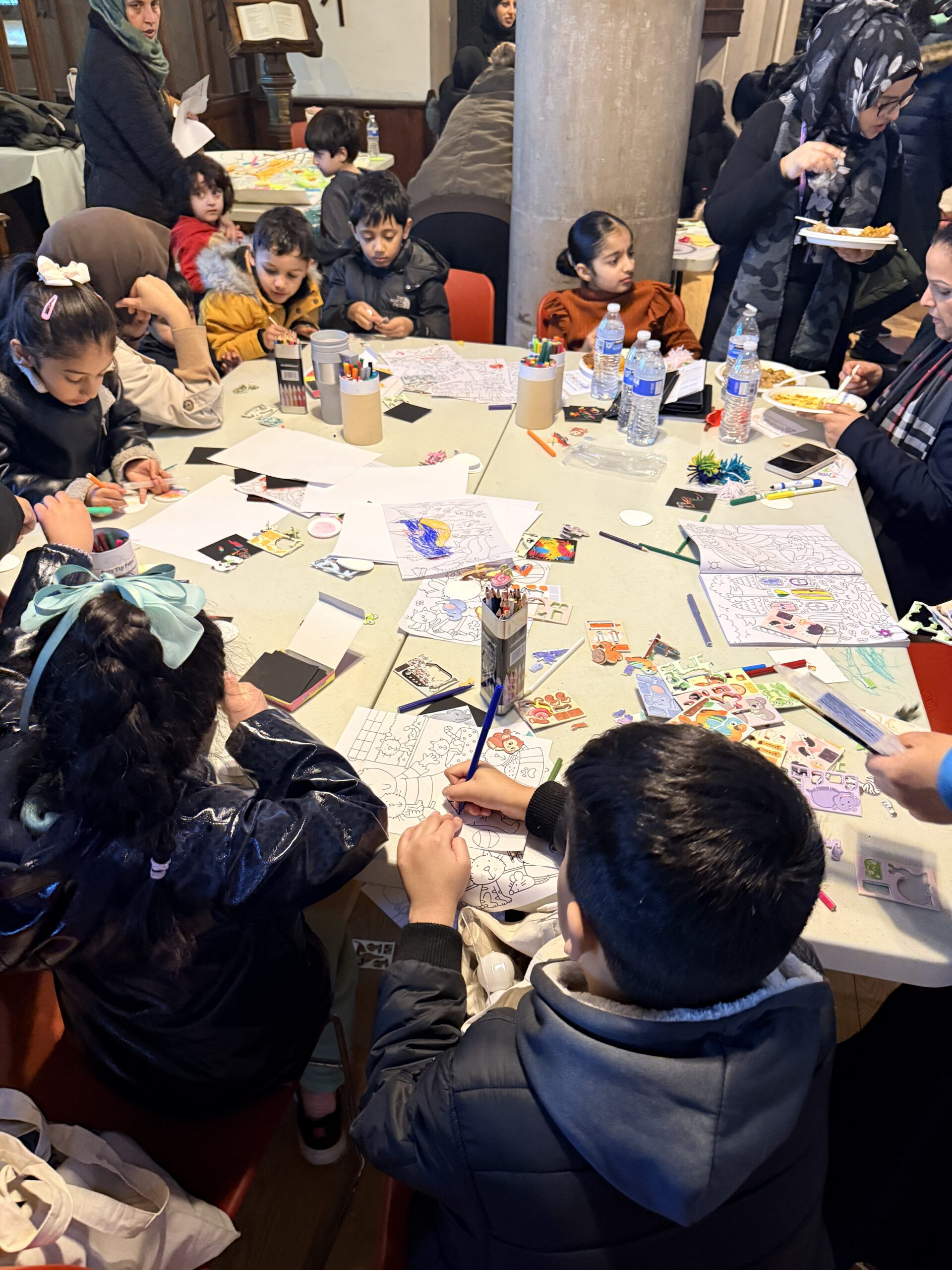
This is what community organisations bring to policy tables that no statutory body, however well-intentioned, can replicate on its own. Not just a perspective, but a relationship. Not just data, but trust. When I speak in that boardroom about what South Asian young people in Chadderton need, I am not speaking from a report. I am speaking from sixteen years of Friday evenings, football sessions, youth leadership programmes, and conversations that happen when people feel safe.
That is a form of knowledge and influence that the sector should value far more than it currently does.
What Surprised Me Once I Was There
I will be honest: walking into that room for the first time, I was aware that I was among people with considerably more years of experience than me. Some have led institutions for decades. The breadth of professional seniority around that table was significant.
What struck me, and what I was not fully prepared for, was how little that hierarchy seemed to matter in practice. Every person’s contribution was treated with the same weight. Age and experience opened no special door to influence. What carried weight was the quality of the insight you brought and the specificity of what you knew.
For a community leader from a background like mine, that was a meaningful thing to witness and to be part of. The table was more level than I expected. You can see who sits on the board through the Chadderton Neighbourhood Board member profiles — the range of people around that table reflects exactly the kind of cross-sector, cross-experience collaboration that good decision-making requires. I hope that is something other community leaders hear clearly: you do not need to have run a large institution for thirty years to have something worth saying. You need to know your community. If you do, your voice will carry.
To the Community Leaders Who Feel Locked Out
The seats exist. They are not always visible, and they are not always advertised. But decision-making tables exist everywhere, in every local authority area, every health system, every regeneration programme. They are being convened right now. Some of those invitations will come to you. Many of them will not, unless you have already made yourself known. And some tables you will need to invite yourself to.
Making noise does not mean being loud for its own sake. It means being consistent. It means showing up to the networks that matter, being open with decision-makers about the work you are doing, sharing your evidence, and being willing to say clearly what your community needs. It means making sure that when someone is looking for a voice that can represent South Asian young people, or Muslim women, or working-class men from post-industrial towns, your name comes to mind because your presence and your credibility are already established.
Sixteen years ago, I started Yuvanis Foundation because I believed that communities do not need to wait for external agencies to solve their own problems. The answers, the resources, and the leadership are usually already within us. What I have learned since is that belief also needs to be taken into the rooms where policy gets made. Community knowledge without policy influence is only half the equation.
The table is there. Get yourself to it.
Zakir Ahmad is CEO of Yuvanis Foundation, a King’s Award-winning community organisation based in Oldham, Greater Manchester. Yuvanis has been serving South Asian and BAME communities for sixteen years across health, wellbeing, employment, and community development.